Readable over decorative
Maps and summaries are built to be read closely. Ornament is kept out of the way.
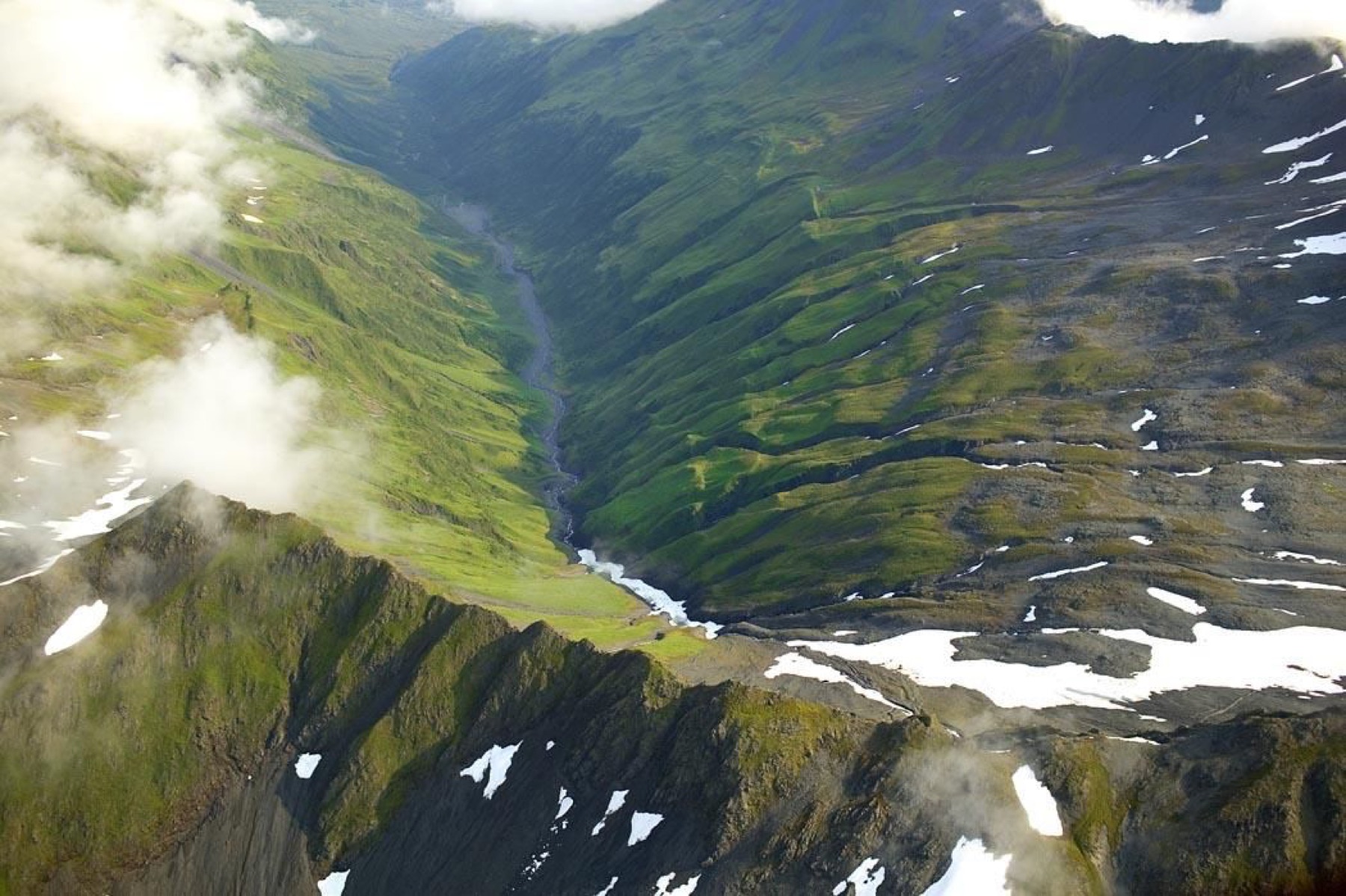
Methods
The method uses terrain, floodplain position, river condition, source quality, and surrounding context to produce map-led summaries that remain tied to the physical setting.
Principles
Maps and summaries are built to be read closely. Ornament is kept out of the way.
Ground position, water setting, and source quality matter before any narrow conclusion does.
Findings are arranged so a site can be revisited, re-scoped, or compared without starting over.
The language stays plainspoken, especially where terrain and water conditions affect schedule, access, and exposure.
Process
Set the site, corridor, or reach; the timeframe; and the physical question that needs a clear reading.
Bring together elevation, floodplain, river, and surrounding land information at the scale the question actually requires.
Read terrain breaks, water movement, exposure areas, and limiting conditions that are likely to matter first.
Deliver the result as map plates, overlays, summaries, or river views that keep the physical picture intact.
Tooling profile
Elevation surfaces, slope readings, landform breaks, and floodplain-oriented terrain interpretation.
River stage, watershed position, public data feeds, and reach comparisons tied to current conditions.
Focused map-led views that align imagery, key readings, and short notes on what deserves attention.
Map plates and written summaries that preserve technical meaning as work moves through review.
Careful interpretation helps make the site, reach, or corridor easier to understand before assumptions harden.